
When running a business, every detail matters—especially when it comes to the overall appearance and cleanliness of your premises. One often-overlooked but essential component is the matting system. Wholesale mats are a practical and cost-effective solution for businesses of all sizes, providing benefits that go beyond aesthetics. Whether you're outfitting an office, retail store, restaurant, or industrial facility, selecting the right mats can contribute significantly to safety, cleanliness, and brand image.
In this blog, we’ll walk you through the key factors to consider when choosing wholesale mats for your business needs. From mat type to material, durability, and functionality, we’ll explore how to make the best choice that aligns with your business objectives.
Understand Your Business Environment
Before purchasing wholesale mats, it's important to understand your business environment. Different industries and locations have specific requirements, and the mats you choose should cater to those needs. For example, a retail store might need stylish, branded mats to create a welcoming atmosphere, while a manufacturing facility requires mats that provide safety and help with foot traffic in high-use areas.
Office Spaces: Aesthetic appeal and comfort are key. Look for mats that align with the office décor and ensure ergonomic support for employees who may spend long hours standing.
Retail Stores: A coir doormat can make a great first impression while helping to keep dirt out of your store. Choose mats that are not only functional but also reinforce your brand’s identity.
Industrial Settings: Durability and slip resistance are crucial. Anti-fatigue mats or heavy-duty rubber mats would be ideal in these environments.
Restaurants: Mats that are easy to clean, slip-resistant, and absorb spills will enhance safety and cleanliness in dining areas and kitchens.
Material Matters: Choose Wisely
The material of a mat directly influences its durability, comfort, and maintenance requirements. Here’s a breakdown of some common mat materials and their uses:
Rubber Mats: Rubber is highly durable and resistant to wear and tear. It is also water-resistant and slip-resistant, making it ideal for high-traffic areas and environments where moisture is common, such as kitchens and bathrooms.
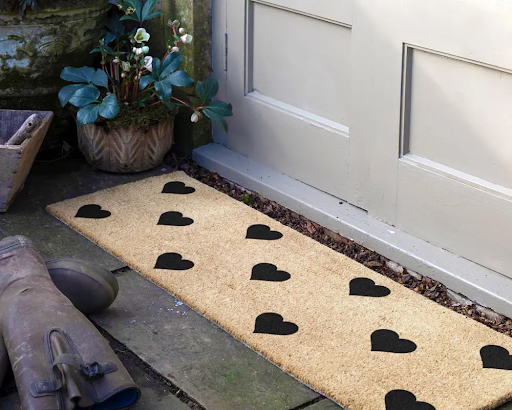
Coir Doormats: Made from natural coconut husks, coir doormats are excellent for trapping dirt and moisture from shoes before customers enter your business. They’re durable and eco-friendly, making them a popular choice for retail establishments and hospitality industries. They also offer a rustic, natural aesthetic that aligns with eco-conscious branding.
Polypropylene Mats: These are affordable, durable mats often used for both indoor and outdoor spaces. They are resistant to stains and fading, making them suitable for areas with heavy foot traffic, like entryways and hallways.
Anti-Fatigue Mats: These mats are designed to reduce fatigue caused by prolonged standing. They’re made from materials like foam, rubber, or gel and are ideal for businesses where employees stand for long hours, such as retail counters or service stations.
Fabric Mats: Soft fabric mats, often used for decorative purposes, can be found in offices or lobbies where comfort and aesthetics are prioritized. While they may not have the durability of rubber or coir mats, they add a touch of elegance to indoor spaces.
Size and Shape for Maximum Coverage
Choosing the right size and shape for your mats is essential to ensuring full coverage and functionality. For entryways, it’s important to measure the space accurately so the mat can capture dirt and moisture without interfering with the flow of foot traffic.
Rectangular Mats: The most common and versatile shape, rectangular mats are perfect for doorways and long hallways.
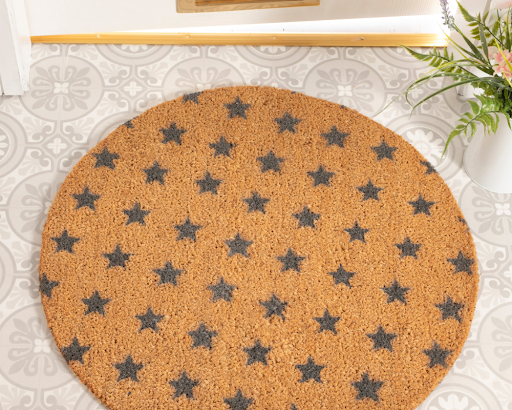
Round Mats: These are often used for decorative purposes or in smaller, more specific areas.
Custom-Shaped Mats: For businesses looking for a branded solution, custom-shaped mats are a great option. Custom mats can be made to fit specific areas while showcasing your company logo or message.
Slip Resistance and Safety Features
Safety should be at the forefront of your mat selection. Mats with anti-slip backing or rubberized edges can help prevent accidents in high-traffic or wet areas. For businesses with heavy foot traffic or locations exposed to the elements, choosing mats with a non-slip bottom is essential to ensuring the safety of employees and customers.
Non-Slip Backing: Rubber or PVC-backed mats offer excellent slip resistance.
Textured Surfaces: Mats with textured surfaces also help with grip, particularly in areas prone to spills or wet conditions.
Maintenance and Durability
The longevity of your wholesale mats depends on their material and how well they are maintained. Consider how easy it will be to clean your mats, as frequent cleaning can extend their lifespan and maintain a professional appearance.
Easy-to-Clean Mats: Rubber, coir, and polypropylene mats are typically low-maintenance and easy to clean. Simply shake, vacuum, or hose down as needed.
Durable Mats: Heavy-duty rubber or vinyl mats tend to be more durable, especially in high-traffic or industrial environments. These mats are designed to withstand constant wear and tear.
Cost-effectiveness and Bulk Ordering
One of the major benefits of wholesale mats is the cost savings, especially when purchasing in bulk. You can often negotiate prices based on the quantity you need, making it a budget-friendly option for businesses. However, always consider the long-term value of the mats—investing in quality mats that last longer will save you money over time, as you won’t have to replace them as frequently.
Conclusion
Selecting the right wholesale mats for your business is a crucial decision that affects both the functionality and appearance of your space. From determining your business’s specific needs and choosing the right materials to ensuring safety and ease of maintenance, every factor plays a role in optimizing your matting system.

Write a comment ...